Table of Contents
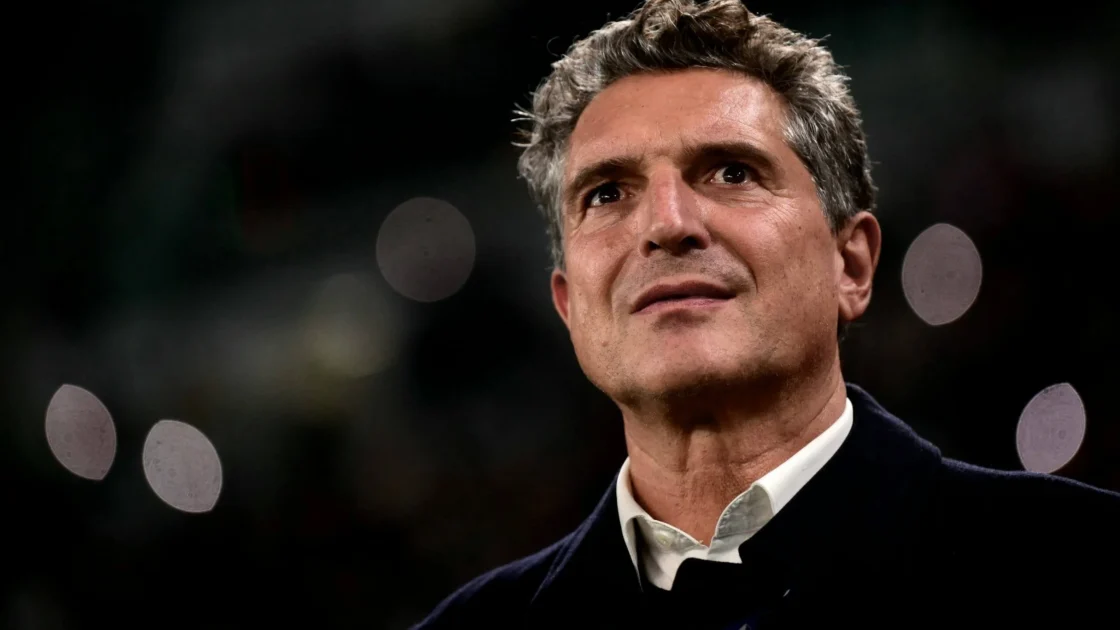
Richard Masters completed his tenure as chair of the World Leagues Association (WLA) in the Czech Republic, handing the leadership to Serie A CEO Luigi De Siervo during the organization’s 10th-anniversary event in Prague. The WLA represents 50 leagues worldwide, encompassing 4,000 professional clubs and over 130,000 players, yet its members often lack a meaningful voice in governance decisions.
The Push for Genuine Partnership
Luigi De Siervo stated that leagues are treated merely as stakeholders who are consulted rather than genuine partners in shaping the future of football. The organization wants a seat at the top table, demanding early involvement in modifications to the International Match Calendar to counter decisions made unilaterally by global governing bodies.
The debate comes as international competitions expand, highlighted by the 48-team 2026 World Cup and the revamped Club World Cup. While FIFA president Gianni Infantino projected revenues exceeding $15 billion, De Siervo described the tournament as both the highest and lowest point in FIFA history, citing commercial success alongside regulatory interference and player strain.
Calendar Congestion and Player Welfare
European Leagues and FIFPro have filed separate complaints against FIFA regarding conflicts of interest and the unilateral setting of the match calendar. De Siervo pointed out a fundamental contradiction where regulatory bodies organize competitions that rival domestic leagues for fans, players, and broadcasters.
The extended international break—lengthened from nine to 16 days—has taken a heavy toll on athletes. Genoa coach Daniele De Rossi noted nearly double the injuries during the break compared to the previous year, with Serie A recording 15 injuries against seven in 2025. De Siervo emphasized that players are not machines and that broadcasters cannot absorb rising costs indefinitely, noting that European competitions dictated scheduling constraints for 31 of Serie A’s 38 matchdays this season.
Domestic leagues also face financial pressure as television budgets shift toward premium properties like the Premier League and the expanded Champions League. De Siervo highlighted disparities within leagues, noting that Juventus received €742 million in television distributions from UEFA over a 10-year period, while Udinese received just €8 million.
Governance and Future Representation
UEFA president Aleksander Ceferin faces calls for re-election after securing backing from all 55 member nations, drawing comparisons to debates over FIFA’s leadership term limits. De Siervo acknowledged Ceferin’s strong leadership and financial results while noting that the expansion of European competitions has increased calendar pressure and widened domestic disparities.
Following the collapse of the Super League, UEFA partnered with the European Football Clubs (EFC) to sell commercial rights. With the EFC taking steps to become World Football Clubs, De Siervo argued that UEFA must extend the same recognition to domestic leagues, which represent the entire football ecosystem rather than just the wealthiest clubs.
De Siervo confirmed he has been invited to the next EFC board meeting to discuss the project with President Nasser Al-Khelaifi. The WLA intends to continue pushing for institutional representation to ensure that the sport’s growing wealth does not impoverish the broader football ecosystem.